What’s in Your Handbag, Car or Kitchen Drawer? Building a Better First Aid Kit
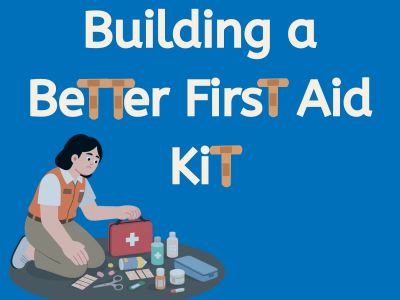
As May arrives, life across the country begins to shift outdoors. Gardens become busier, parks fill up and weekends suddenly seem to involve DIY projects, family outings and “just a quick job” that somehow takes all afternoon. With this seasonal return to activity comes a familiar reality; minor injuries rarely announce themselves in advance.
A small cut in the garden, a blister from a long walk or a headache halfway through a day out can quickly become more stressful if you’re not prepared. That’s where a well-stocked, easy-to-find first aid kit can make a real difference.
Most households already have the beginnings of one; perhaps a few plasters in a kitchen drawer or a packet of pain relief in a car glovebox. But often these supplies are incomplete, out of date or difficult to locate when needed. Taking a few minutes to properly organise a kit can bring real peace of mind.
A good basic first aid kit doesn’t need to be complicated or expensive. It should simply allow you to manage minor injuries and common ailments safely until further advice or treatment can be sought if needed. Typical essentials include:
- A variety of plasters for different cuts and grazes
- Sterile gauze pads and adhesive tape
- Antiseptic wipes or solution
- Pain relief medication (checking expiry dates regularly)
- Tweezers for splinters or small foreign objects
- A digital thermometer
- Rehydration salts for stomach upsets or dehydration
For families, it can also be helpful to include child-appropriate medicines and dosage information. For those who spend more time outdoors, extras such as blister plasters, insect bite relief or hayfever relief can be useful additions.
It’s not just about what you include, but also where you keep it. A kit is only helpful if it can be found quickly, so a clearly labelled box in the kitchen, bathroom cupboard or car is often more effective than multiple scattered items.
Of course, first aid kits are not a replacement for medical care. They are simply a first step in managing minor issues. Knowing when to seek help is just as important as being prepared. If an injury looks serious, if symptoms worsen, or you are unsure what to do, services such as pharmacies, NHS 111 or local urgent care providers are there to guide you.
A few minutes spent checking your supplies now could save a lot of stress later, especially when the inevitable “I’ll just tighten this screw quickly” moment doesn’t quite go to plan!
Back to all news