Spring Allergies: How to Stay Ahead This Season
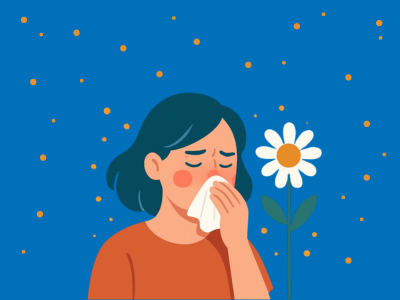
Spring is a time of renewal. Trees are blossoming, the days are longer and the first hints of sunshine warm the UK. But for many, it’s also allergy season - a period that can turn a beautiful day into a battle with sneezes, itchy eyes and endless tissues.
At Shropdoc, we understand that seasonal allergies can disrupt your daily life, so we’ve put together a guide to help you enjoy spring without being held back by pollen.
Why Allergies Flare in Spring
Seasonal allergies, often called hay fever, are caused by the immune system reacting to pollen from trees, grasses and flowers. Essentially, your body mistakes pollen for a harmful invader, releasing histamines that trigger symptoms such as:
- Sneezing and runny nose
- Itchy, watery eyes
- Scratchy throat or mild fatigue
Even mild allergies can make daily routines such as commuting, exercising or simply enjoying time outdoors, more challenging than they need to be.
A Typical Allergy Morning
Picture this: You step outside on a crisp spring morning. The air smells fresh, birds are singing and sunshine is (hopefully) streaming down. Moments later, your nose itches, your eyes water and that first sneeze is unavoidable. Suddenly, your peaceful morning walk feels like a test of endurance.
Dr Simon Chapple, Medical Director at Shropdoc, explains:
"Many people underestimate how much allergies can impact daily life. Even minor symptoms can affect sleep, concentration and overall wellbeing. Being prepared and taking proactive steps can make a huge difference."
Practical Tips to Stay Ahead of Allergies
While you can’t avoid pollen entirely, there are ways to minimise exposure and reduce symptoms:
- Check pollen forecasts: Try to plan outdoor activities when pollen counts are lower.
- Keep windows closed: Both at home and in your car to prevent pollen drifting indoors.
- Shower and change clothes after being outside: Pollen clings to hair, skin and clothing.
- Wear sunglasses outside: They can help to protect your eyes from airborne pollen.
- Consult a pharmacist: Antihistamines, nasal sprays or eye drops can significantly ease symptoms.
Even small adjustments, like moving your daily walk to later in the afternoon or keeping a clean set of clothes at work, can make a noticeable difference. For more detailed information on hay fever, symptoms and treatments, you can visit the NHS guidance here.
When to Seek Medical Advice
Most seasonal allergies are mild, but you should seek professional advice if you experience:
- Severe or persistent symptoms
- Wheezing or difficulty breathing
- Reactions to multiple allergens
Dr Chapple adds:
"If symptoms interfere with work, sleep or daily activities, it’s important to speak to your pharmacist. Effective treatments are available, and managing allergies early can prevent them from affecting your quality of life."
Enjoy Spring, Allergy-Free
Allergies shouldn’t stop you from enjoying spring. With a few simple precautions and the right support, you can take control of your symptoms and make the most of the season. Even a short walk in the sunshine, a cup of tea in the garden, or a moment to enjoy spring blooms can lift your spirits - just don’t forget the tissues!
Back to all news